
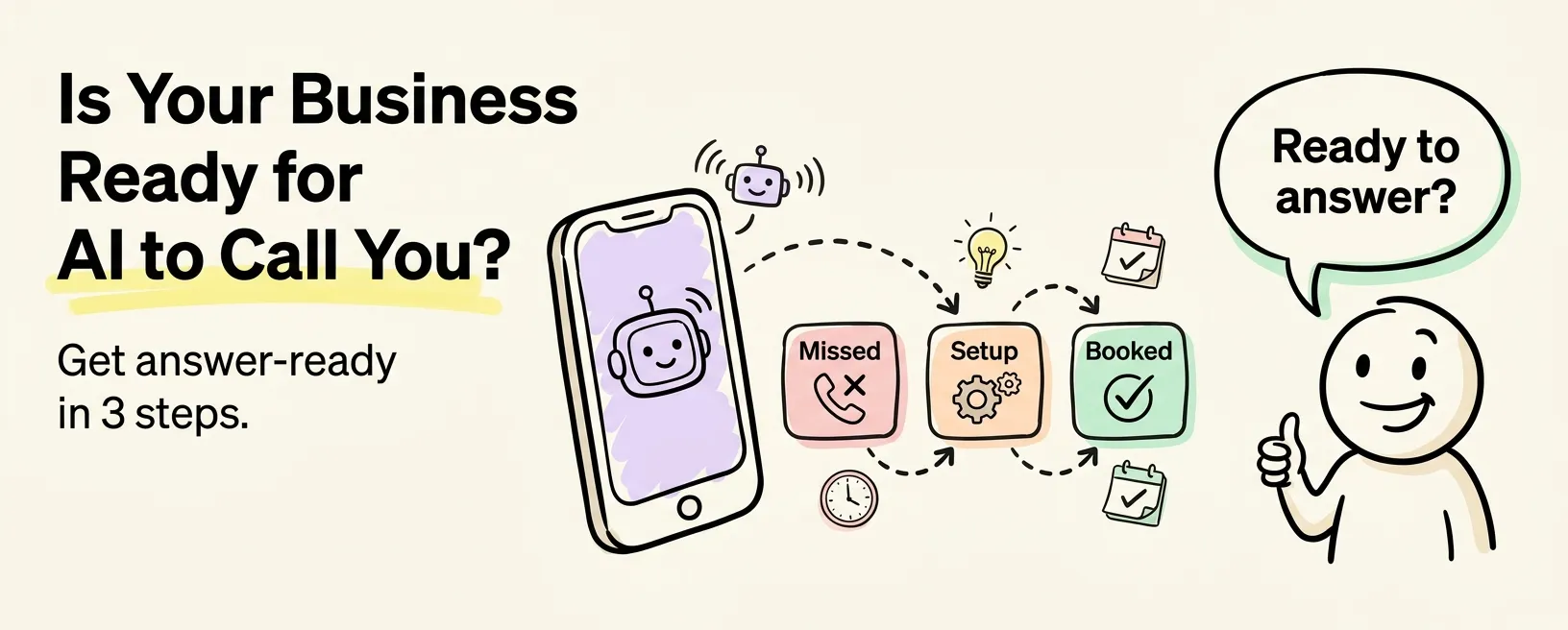
Here's something local business owners need to pay attention to: Google has been rolling out AI features that can call local businesses on behalf of customers to check things like pricing, availability, and service details.
That means a customer may search for something like:
- "pet groomer near me"
- "auto repair near me"
- "hair salon appointment"
- "phone repair near me"
- "wellness center near me"
And instead of calling every business themselves, they may ask Google's AI to gather the information.
That changes the game. Your next "customer call" might not come directly from a customer. It might come from an AI agent trying to figure out whether your business should make the short list.
What's changing
For years, local businesses have been told: "Make sure people can find you online." That still matters. But now there's another layer: can your business respond clearly when AI, search platforms, or automated systems try to gather information from you?
Google's own help documentation says users can ask Google Search to contact multiple nearby businesses with AI to check prices and availability. Google then shares the request details with those businesses and sends the customer a summary by email.
In plain English: the phone call is becoming part of the search result.
If your business answers clearly, captures the lead, and provides helpful next steps, you have a better chance of winning the opportunity. If the call is missed, the answer is vague, or nobody follows up, that lead may disappear before you even know it existed.
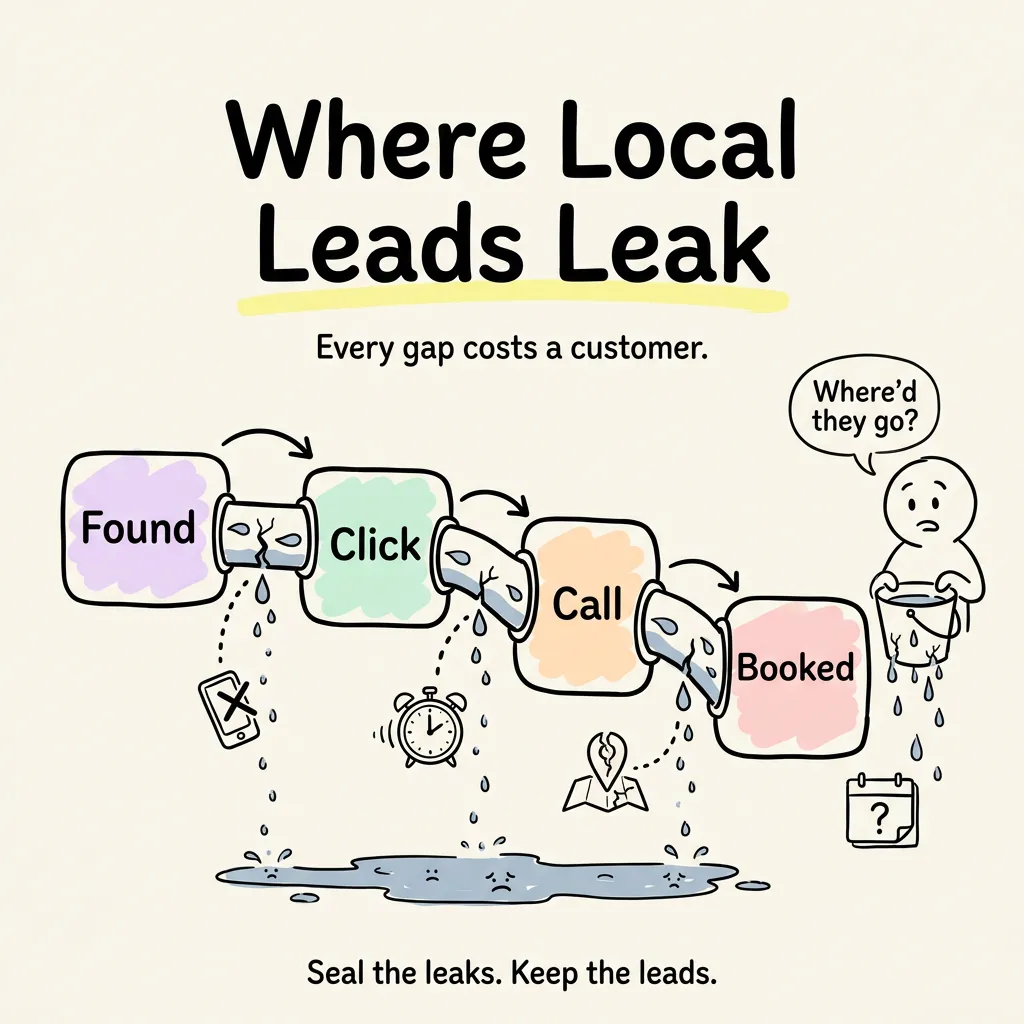
Where local businesses lose leads
Most local businesses already leak leads in simple ways:
- The phone rings and nobody answers.
- A form submission comes in and nobody responds quickly.
- A customer asks about pricing and gets a vague answer.
- A staff member forgets to capture the person's name and phone number.
- There's no record of the lead anywhere.
- There's no text follow-up.
- There's no after-hours response.
- The Google Business Profile has outdated hours, weak service descriptions, or missing booking details.
Those problems were already costing businesses money. But as AI becomes more involved in search, those gaps become even more important.
If an AI agent calls your business and asks, "Do you offer this service?" "What does pricing usually start at?" or "Do you have availability this week?" your business needs a clear answer. Vague answers create friction. And friction loses leads.
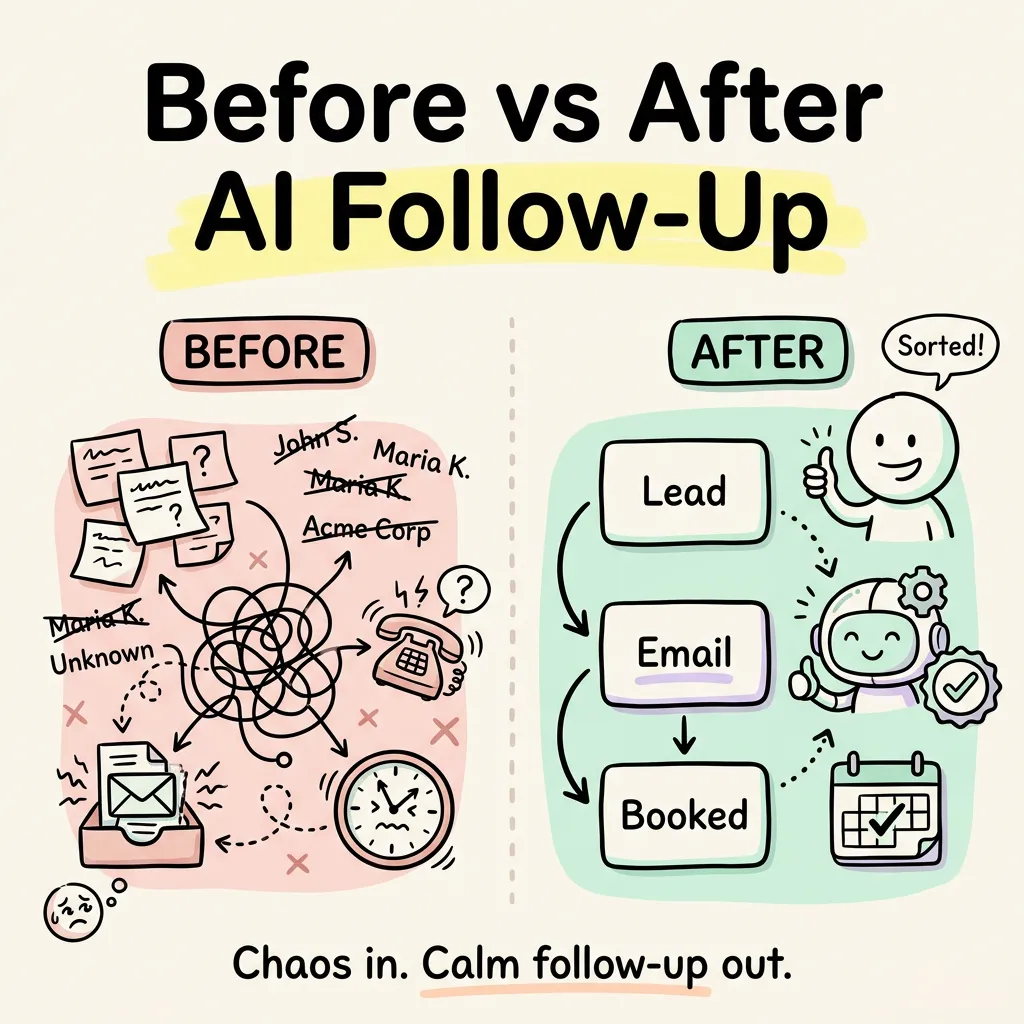
The automation edge
This is where practical automation starts to matter — not in a flashy, "replace your team" way, but in a simple, useful one:
- Missed-call text-back
- After-hours call capture
- AI voice intake
- Automatic lead capture into one organized place
- Instant owner alerts
- Follow-up text and email
- Booking links
- Call summaries
- Review and reputation workflows
The goal isn't to make your business less human. It's to make sure every serious opportunity gets captured, organized, and followed up with.

One move you can make this week
Create a simple "AI-ready" phone script for your business.
Start with these five questions:
- What service are you looking for?
- What city or area are you in?
- How soon do you need help?
- What's the best name and phone number?
- Would you like us to text you the next step or booking link?
Then make sure your team knows how to answer the three questions customers usually ask first:
- Do you offer this service?
- What does pricing usually start at?
- When is your next availability?
You don't need to give a perfect quote over the phone. But you do need to sound clear, helpful, and organized. That alone can separate you from a lot of competitors.
Sources: Google Search Help, Search Engine Journal, and the Google Keyword Blog.